
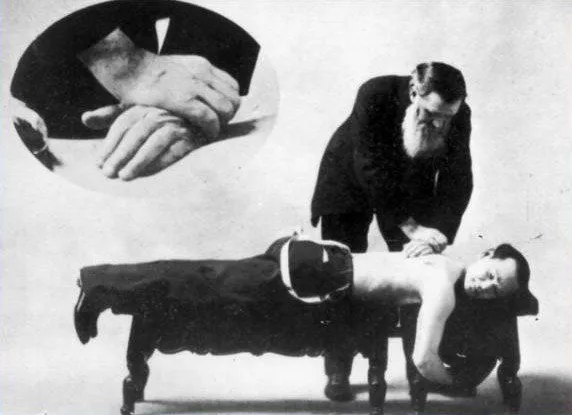
Chiropractic care is now a mainstream healthcare profession trusted by millions of people worldwide—but its roots are surprisingly recent and deeply fascinating. Understanding the history of chiropractic helps explain not only how the profession began, but why it continues to focus on natural, hands-on healing and whole-body wellness.
The Birth of Chiropractic in the Late 1800s
Chiropractic was founded in 1895 by D.D. Palmer, a self-educated healer living in Davenport, Iowa. Palmer believed that many health problems were caused by misalignments of the spine—what he called subluxations—that interfered with the nervous system’s ability to function properly.
According to historical accounts, Palmer performed his first spinal adjustment on a janitor named Harvey Lillard, who reportedly experienced an improvement in hearing afterward. This event became the cornerstone of chiropractic philosophy: that correcting spinal dysfunction could restore normal nerve communication and improve overall health.
In 1897, Palmer opened the Palmer School of Chiropractic, the first chiropractic college in the world. From there, the profession began to grow rapidly.
Early Growth and Controversy
As chiropractic gained popularity in the early 20th century, it also faced strong opposition from the medical establishment. Chiropractors were often accused of practicing medicine without a license, and many early practitioners were fined or jailed.
Despite this resistance, chiropractic continued to spread. One major reason was its appeal to patients seeking non-drug, non-surgical care—especially for back pain, headaches, and musculoskeletal conditions.
A key figure in expanding the profession was B.J. Palmer, D.D. Palmer’s son. He helped standardize chiropractic education, promoted the use of X-rays in diagnosis, and emphasized the importance of scientific principles. Under his leadership, chiropractic gained structure and legitimacy.
Chiropractic Education and Licensing
By the mid-1900s, chiropractic education had become more formalized. Chiropractic colleges began adopting standardized curricula that included anatomy, physiology, neurology, biomechanics, and diagnostic imaging.
State licensing laws followed. Over time, every U.S. state recognized chiropractic as a regulated healthcare profession. Today, chiropractors must earn a Doctor of Chiropractic (DC) degree, pass national board examinations, and meet continuing education requirements.
This shift marked a major turning point—from a fringe healing art to a licensed and respected profession.
The Legal Battle That Changed Everything
One of the most important moments in chiropractic history occurred in 1976, when chiropractors filed an antitrust lawsuit against the American Medical Association. The lawsuit accused the AMA of conspiring to eliminate chiropractic by discouraging medical doctors from working with chiropractors.
In 1987, the court ruled in favor of the chiropractors, concluding that the AMA had engaged in unlawful restraint of trade. This decision opened the door for greater collaboration between chiropractors and other healthcare providers—and dramatically improved public perception of chiropractic care.
Chiropractic in Modern Healthcare
Today, chiropractic is widely recognized as an effective treatment for many musculoskeletal conditions, especially back pain, neck pain, and headaches. Chiropractors work in private practices, hospitals, sports medicine clinics, and multidisciplinary healthcare settings.
Modern chiropractic care has also evolved beyond spinal adjustments alone. Many chiropractors now incorporate:
- Soft tissue therapy
- Exercise and rehabilitation programs
- Postural and ergonomic training
- Lifestyle and wellness counseling
Research continues to support chiropractic care as a safe, evidence-based option for conservative pain management—particularly important in an era focused on reducing opioid use.
A Profession Rooted in Natural Healing
From its beginnings in a small Iowa office to its role in modern healthcare, chiropractic has remained grounded in a simple but powerful idea: the body has an incredible ability to heal itself when the nervous system is functioning properly.
More than a century later, chiropractic continues to evolve—combining hands-on care, scientific research, and a whole-person approach to health.
Whether someone seeks relief from pain, improved mobility, or long-term wellness, the history of chiropractic reflects a profession built on restoring movement, function, and quality of life—naturally.
Ready to start your chiropractic journey? Visit us at Moore Chiropractic today!