
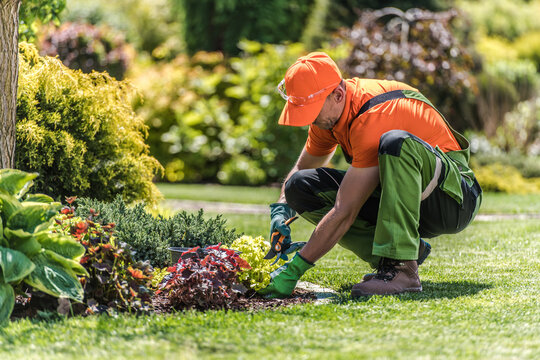
Summer in Olympia is the perfect time to get outside. Whether you are golfing, hiking, working in the yard, playing pickleball, boating, or catching up on home projects, warmer weather usually means more movement.
That is a good thing.
But for many people, summer activity also brings a familiar problem: back pain, neck stiffness, shoulder pain, hip tightness, or sciatic symptoms after doing too much too quickly.
At Moore Chiropractic, we often see patients who feel fine during the workweek, then flare up after a busy weekend of golf, gardening, hiking, or lifting. These are commonly called “weekend warrior” injuries.
The good news is that many of these aches and pains can improve with the right care, better movement, and early attention before the problem becomes more frustrating.
Why Weekend Warrior Injuries Happen
A weekend warrior injury usually happens when your body is asked to do more than it is used to doing.
Many people spend most of the week sitting at a desk, driving, or working in the same positions for hours. Then the weekend comes, and the body suddenly has to handle:
- Several hours of yard work
- A long round of golf
- Hiking on uneven trails
- Lifting bags of soil, bark, or equipment
- Bending, twisting, and reaching
- Playing sports without warming up
- Repetitive motions like pulling weeds or swinging a club
Your muscles, joints, and spine can usually handle activity. The problem is the sudden jump in intensity, especially when your body has not been moving that way consistently.
That is why someone may feel okay during the activity, then wake up the next morning with stiffness, soreness, or sharp pain.
Common Summer Activities That Can Cause Pain
Golf
Golf involves repeated rotation through the spine, hips, shoulders, and neck. If your back or hips are already tight, your swing may place extra stress on the low back.
Common golf-related complaints include:
- Low back pain after a round
- Hip tightness
- Neck stiffness
- Shoulder pain
- Rib or mid-back discomfort
- Sciatic-type pain into the glute or leg
Even a small swing change, extra practice session, or walking 18 holes can be enough to trigger a flare-up.
Yard Work and Gardening
Yard work is one of the biggest causes of weekend back pain. Bending, lifting, twisting, digging, raking, and hauling are all demanding movements.
Common triggers include:
- Lifting bags of soil or mulch
- Pulling weeds for long periods
- Mowing on uneven ground
- Pressure washing
- Digging or shoveling
- Carrying heavy pots or tools
A lot of people underestimate yard work because it does not feel like “exercise.” But to your back, hips, shoulders, and knees, it absolutely counts.
Hiking and Walking Trails
Olympia and the surrounding areas have great places to hike and walk, but trails can be harder on the body than people expect. Uneven ground, hills, roots, rocks, and longer distances can all challenge your back, hips, knees, and ankles.
After hiking, people may notice:
- Low back tightness
- Hip or glute pain
- Knee soreness
- Foot or ankle discomfort
- Sciatic symptoms
- Neck or shoulder tension from carrying a pack
Pickleball, Tennis, and Summer Sports
Quick starts, stops, lunges, reaching, and twisting can place stress on the spine and joints. These sports are fun, but they can also expose areas that are stiff, weak, or not moving well.
Common issues include:
- Shoulder pain
- Neck pain
- Low back pain
- Hip tightness
- Knee pain
- Calf or Achilles irritation
Normal Soreness vs. Pain You Should Not Ignore
Some soreness after activity is normal, especially if you did something your body is not used to. Mild muscle soreness will often improve within a few days.
However, you may want to schedule an appointment with a chiropractor if you notice:
- Pain that lasts more than a few days
- Sharp pain with movement
- Pain that keeps coming back
- Pain traveling into the leg or arm
- Numbness, tingling, or weakness
- Headaches after neck stiffness
- Difficulty standing up straight
- Pain that changes how you walk, sit, sleep, or move
- Back pain that flares up every time you golf, hike, or do yard work
Recurring pain is a sign that something may not be moving or functioning the way it should. Waiting for it to “just go away” can sometimes allow the same problem to return again and again.
How Chiropractic Care Can Help Weekend Warrior Injuries
Chiropractic care focuses on how the spine, joints, muscles, and nervous system work together. When joints are stiff or irritated, the surrounding muscles may tighten up to protect the area. This can create pain, limited motion, and compensation in other parts of the body.
At Moore Chiropractic, we evaluate how your body is moving and look for areas that may be contributing to your symptoms.
Chiropractic care may help by:
- Improving spinal and joint mobility
- Reducing irritation in painful areas
- Helping restore normal movement
- Decreasing muscle guarding and tension
- Supporting better posture and mechanics
- Helping you recover from activity-related flare-ups
- Giving you practical advice to reduce repeat injuries
The goal is not just to help you feel better temporarily. The goal is to help you move better so you can get back to the activities you enjoy.
Why Pain Often Shows Up After the Activity
One of the most common things we hear from patients is, “I felt fine while I was doing it, but later that night or the next morning I could barely move.”
This is very common.
During activity, your body is warm and adrenaline may help mask discomfort. After you stop moving, inflammation, muscle tightness, and joint irritation can become more noticeable. That is why back pain after yard work or golf may feel worse the next morning.
If this happens once and improves quickly, it may simply be soreness. If it keeps happening, your body may be telling you that it needs attention.
Tips to Prevent Summer Injury Flare-Ups
You do not need to avoid the activities you enjoy. A few simple habits can make a big difference.
Warm Up Before You Start
Before golf, yard work, hiking, or sports, take five minutes to get your body moving.
Try:
- Gentle walking
- Arm circles
- Hip circles
- Bodyweight squats
- Light torso rotations
- Easy practice swings
A short warm-up helps your joints and muscles prepare for movement.
Break Up Yard Work
Instead of doing four straight hours of yard work, break it into smaller blocks. Change positions often and avoid staying bent over for long periods.
Your back usually does better with variety.
Use Your Legs When Lifting
When lifting bags, tools, pots, coolers, or equipment, keep the object close to your body and avoid twisting while lifting. Turn your whole body instead of rotating through your low back.
Ease Into Activity
The first big hike, long golf round, or full yard work day of the season should not be your hardest one. Build up gradually when possible.
Pay Attention to Recurring Pain
If the same pain returns every time you do a certain activity, that is worth getting checked. Your body may be compensating for stiffness, weakness, or poor movement patterns.
When to Schedule With an Olympia Chiropractor
You may benefit from chiropractic care if summer activity has left you dealing with back pain, neck pain, shoulder pain, headaches, hip tightness, or sciatic symptoms.
This is especially true if the pain is limiting your normal routine, affecting your sleep, or keeping you from doing the activities you enjoy.
At Moore Chiropractic, we help patients in Olympia and the surrounding area recover from activity-related pain and improve how their body moves.
Get Back to Enjoying Your Summer
Summer should be spent enjoying golf, hiking, gardening, family time, and outdoor activities — not sitting on the sidelines with back pain.
If you are dealing with a weekend warrior injury or a recurring flare-up after activity, Moore Chiropractic is here to help.
Contact Moore Chiropractic in Olympia, WA to schedule an appointment and get back to moving with confidence.